I sat in my car looking at my front yard and sighed. It was just grass—no personality, no color and no reason for anyone to look twice. That weekend, I spent $150 at the garden center and changed everything.
Curb appeal is more than a real-estate term—it is how your home greets you every day. You do not need a professional landscaper to make your house look expensive. You need a focal point, a clean frame and layered color.
We independently review everything we recommend. When you buy through our links, we may earn a commission at no extra cost to you.
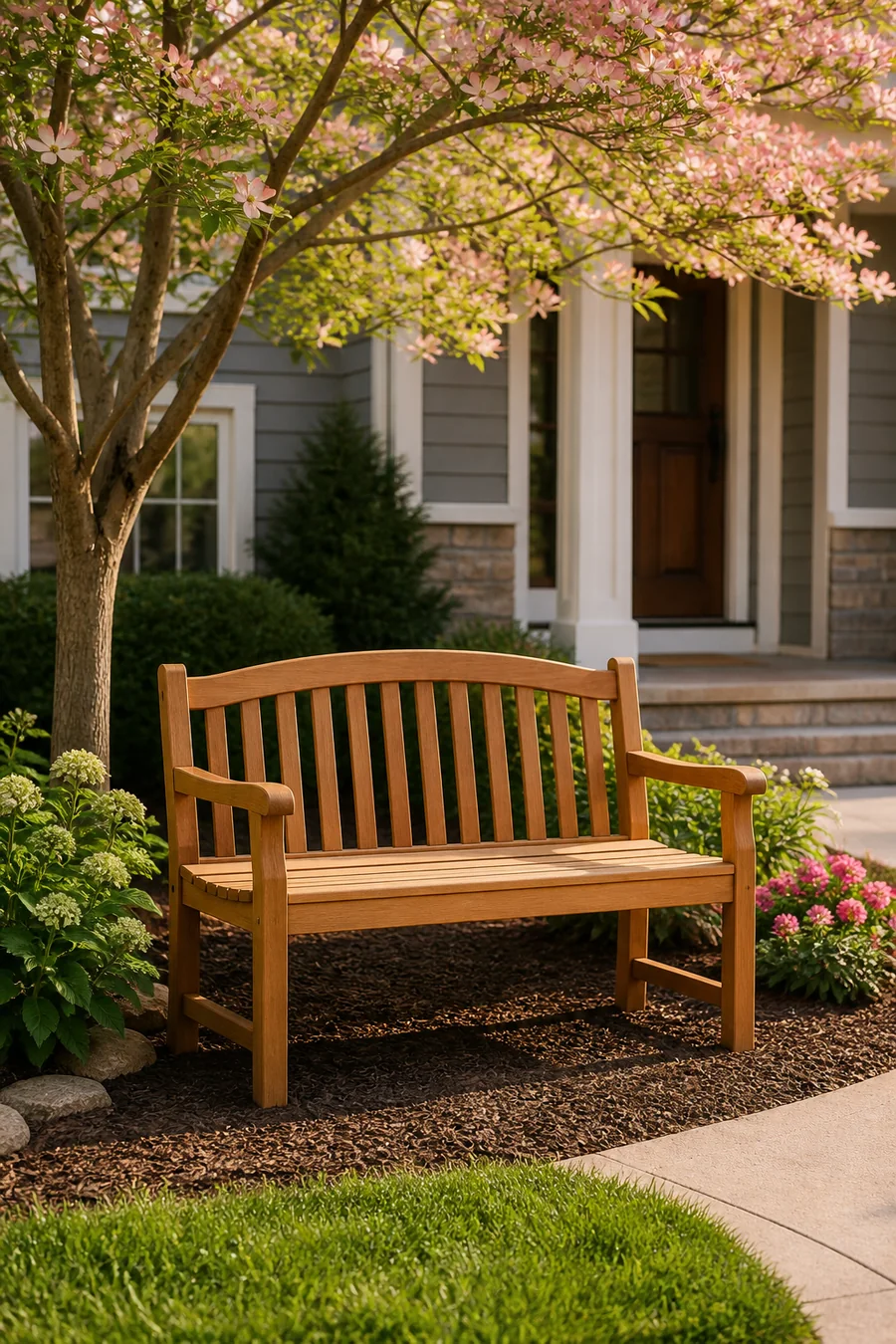
1. Classic Wooden Garden Bench
Every beautiful front yard needs a place for the eye to rest. A classic wooden bench beneath a flowering tree creates an instant focal point, adds warmth and makes the whole yard feel welcoming and intentionally designed.
 🛒 View Price on Amazon
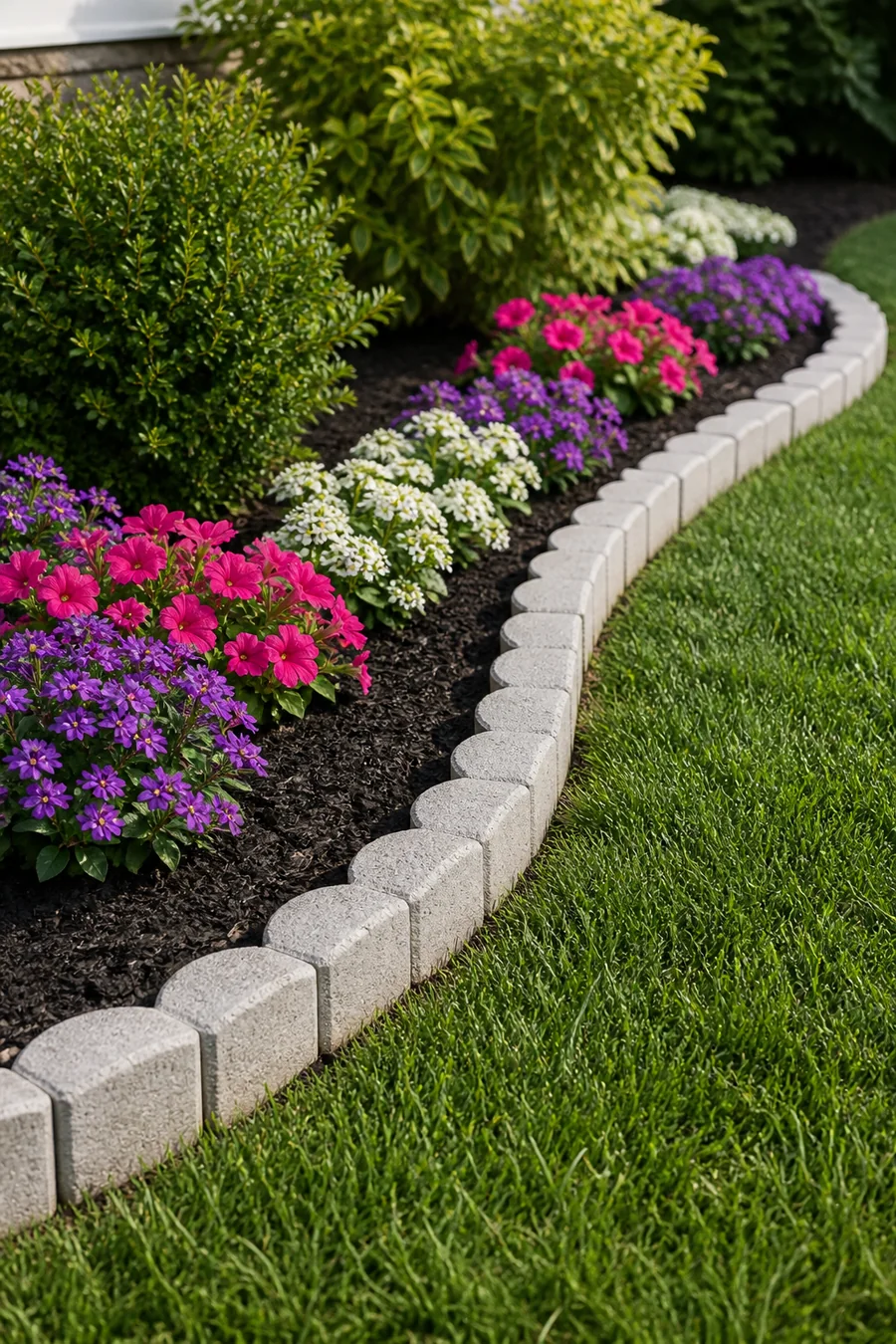
2. Decorative Curved Garden Edging Pavers
Curved edging makes a basic flower bed look softer, more natural and professionally finished. Scalloped stone pavers create a clean border between lawn and mulch while guiding the eye toward your plants and front door.
 🛒 View Price on Amazon
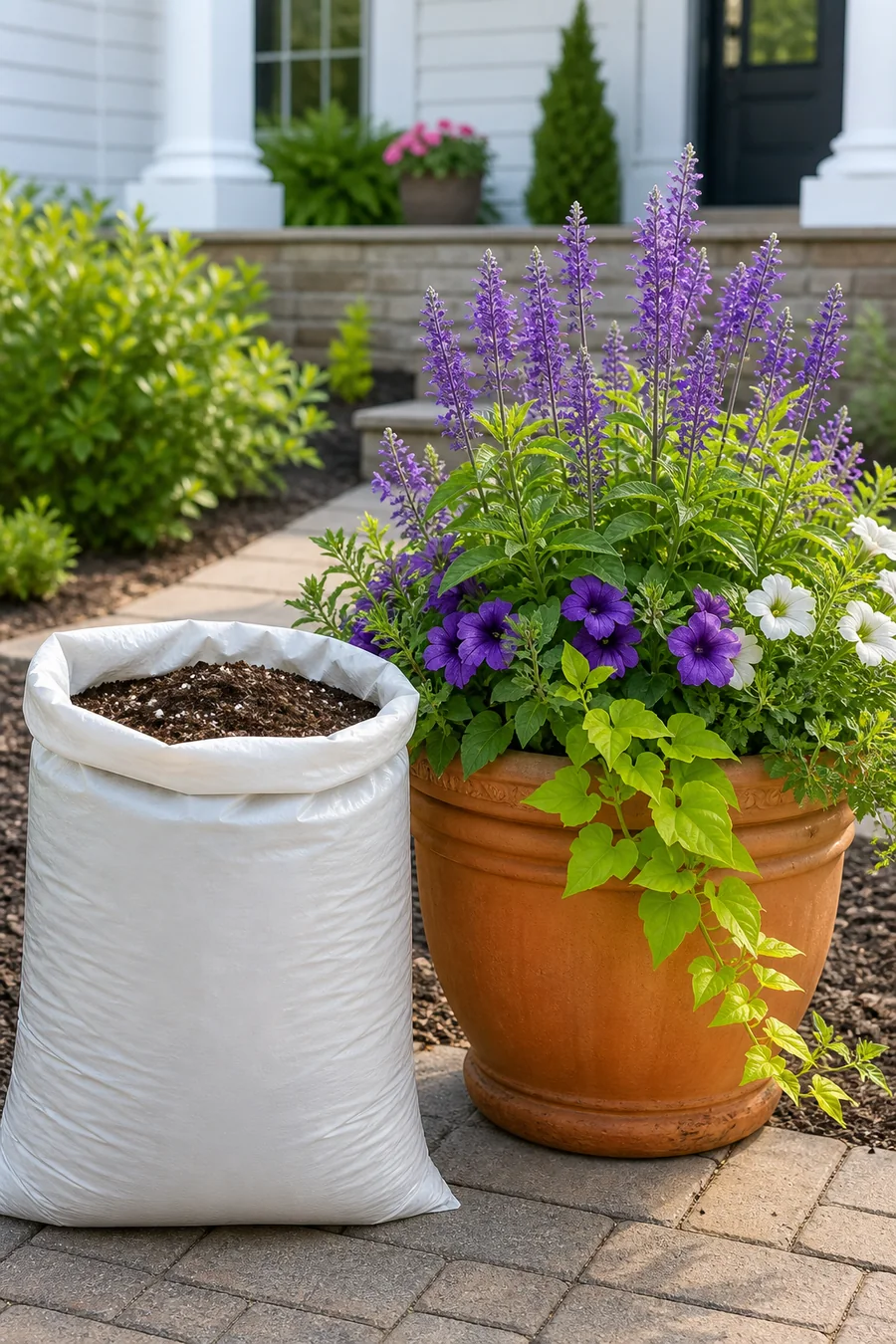
3. Premium Outdoor Potting Mix
Use the thriller, filler and spiller rule for planters that look full from every angle. Tall purple salvia adds height, leafy greenery fills the middle and trailing petunias soften the edges; quality outdoor potting mix helps the entire combination stay healthy and bloom longer.
 🛒 View Price on Amazon
Maintenance Tip:
Lay down about two inches of dark mulch over your flower beds. It helps control weeds, keeps the soil moist and gives the landscape the clean contrast that makes plants and edging stand out.
You do not need a massive budget to create one of the prettiest yards on the street. Start with these three high-impact details and one free Saturday.
You Might Also Love:
👉 The No-Till Raised Bed Garden Guide for Beginners
A Practical Curb-Appeal Plan for a Small Budget
Start by standing across the street and taking a photo. Notice the route your eye follows to the front door, where the yard looks empty and which features already deserve attention. Curb appeal improves fastest when the entrance is clear and the landscape has a simple structure, not when every empty patch receives a new ornament.
Prioritize Maintenance First
Trim plants away from paths, windows, house numbers and exterior lights. Remove weeds, edge the lawn or gravel, sweep hard surfaces and wash the door if the finish allows it. These jobs cost little but make later purchases look more intentional. Repair obvious hazards such as loose pavers, unstable railings or poor drainage before spending on decorative plants.
Choose Plants for the Site You Have
Observe how many hours of direct sun each bed receives and whether water collects after rain. Check the mature height and width on plant labels; a shrub that looks small at the nursery may block a window in two seasons. Group plants with similar water needs and favor varieties suited to the local climate. Native or well-adapted plants often need less replacement, watering and pest control once established.
- Repeat a limited number of plants instead of buying one of everything.
- Place taller forms behind lower ones so the bed reads clearly from the street.
- Leave space for mature growth and keep foliage away from siding.
- Use mulch at an appropriate depth, keeping it away from trunks and the building foundation.
Create a Clear Path to the Door
A pair of planters, a clean doormat and a visible house number can frame the entry without major construction. Use outdoor-rated lighting to make steps and changes in level easier to see at night. Solar lights work best where panels receive adequate sun; in deep shade, a wired or rechargeable option may be more reliable.
Set a phased budget: maintenance and safety first, plants second, accessories last. Buy fewer, healthier plants in the correct size rather than filling the bed with bargains that will struggle in the conditions. Water new plants according to their needs during establishment and review the yard after one growing season before adding more. This slower approach protects the budget and creates a front yard that improves rather than needing to be redesigned every year.
Want to see more useful home and kitchen finds?
Browse All Amazon Favorites